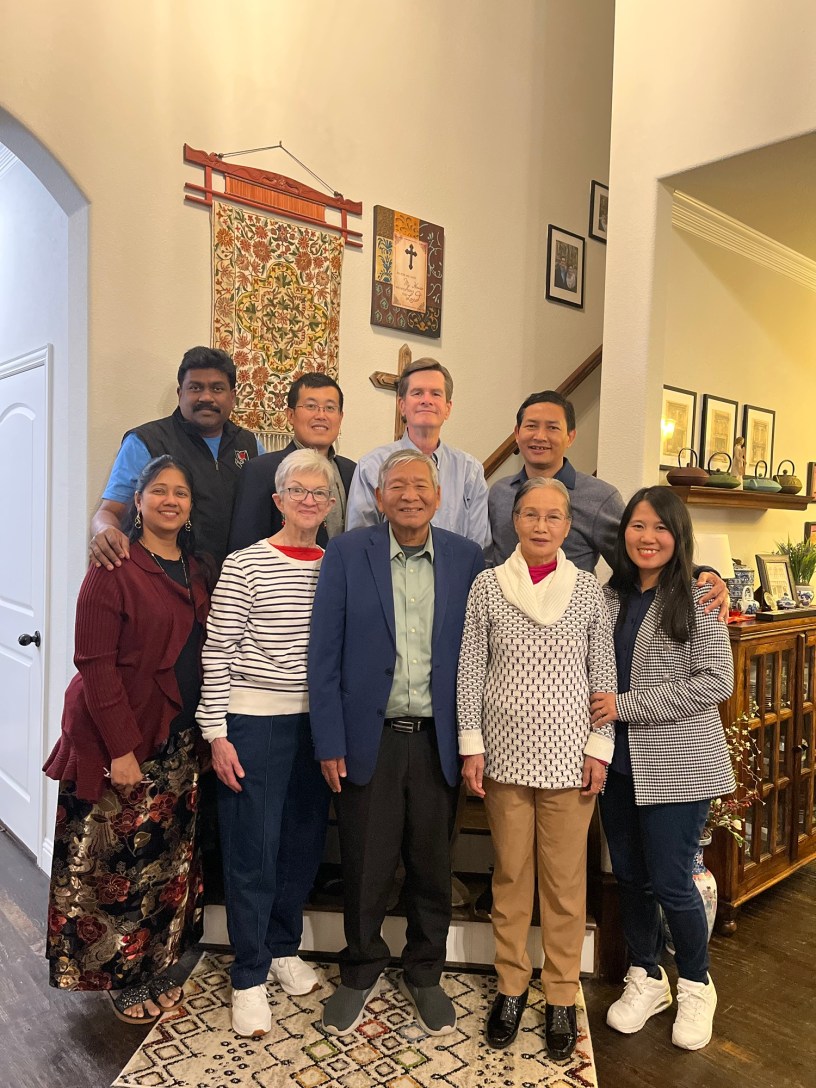
The holiday season is often marked by expressions of gratitude—family gatherings, shared meals, and moments of reflection. But for those who have lived and served cross-culturally, thankfulness takes on deeper, more nuanced meanings. Cultural anthropology, the study of human societies and customs, helps us understand how different cultures express gratitude, especially during holidays. These insights not only enrich our own celebrations but also deepen our appreciation for the diverse ways people give thanks.
Here are several life stories that illustrate how cultural anthropology intersects with thankfulness during the holiday season.
—
1. A Bowl of Rice in Southeast Asia
During a Christmas celebration in a rural Southeast Asian village, a local believer named Srey offered a bowl of rice to a visiting missionary family. It was simple, even humble, but it represented her family’s entire food supply for the day. In her culture, hospitality and generosity are deeply tied to honor and gratitude.
The missionary, trained in cultural anthropology, recognized that refusing the gift would dishonor Srey’s expression of thankfulness. Instead, they received it with joy and humility, sharing the meal together. That moment became a sacred exchange—thankfulness expressed not through abundance, but through sacrificial giving.
—
2. The Silent Gift in East Asia
In East Asia, verbal expressions of gratitude are often replaced by quiet gestures. One Christmas, a church planter received a beautifully wrapped package from an elderly woman in the congregation. Inside was a handmade scarf, folded with care. No words were spoken, but the gift communicated deep appreciation.
Understanding the cultural value of indirect communication, the church planter responded with a bow and a warm smile—an appropriate and respectful acknowledgment. Cultural anthropology had taught him that thankfulness in this context is often shown through action, not speech.
—
3. A Shared Table in West Africa
In West Africa, the holiday season is marked by communal feasting. One missionary family was invited to a village Christmas meal where dozens of families contributed food. The meal was served from a single large bowl, and everyone ate together.
The missionary noted how thankfulness was expressed collectively, not individually. Gratitude was not just for the food, but for the presence of community. Cultural anthropology helped them understand that in this context, belonging is the highest form of thanksgiving.
—
4. A Refugee’s Prayer in Europe
In a refugee center in Europe, a young man from Syria shared his first Christmas with a local church. He had lost everything—home, family, and country. Yet during the holiday service, he stood and prayed aloud, thanking God for safety, friendship, and hope.
The church members were moved, but the missionary who had studied Middle Eastern culture understood the deeper significance. In Islamic cultures, public prayer is often a communal act of gratitude. His prayer was not just personal—it was a cultural bridge, expressing thankfulness in a way that honored both his heritage and his new faith.
—
5. A Story Circle in Indigenous North America
Among an Indigenous community in North America, the holiday season included a storytelling circle. Elders shared tales of past winters, survival, and blessings. One elder spoke of a time when the tribe had no food, and a neighboring group shared their harvest.
The missionary present realized that thankfulness was embedded in the oral tradition—stories passed down to honor generosity and resilience. Cultural anthropology revealed that gratitude in this context is historical, communal, and sacred.
—
Conclusion: Thankfulness Beyond Borders
These stories remind us that thankfulness is not a one-size-fits-all emotion. It is shaped by culture, history, and worldview. Cultural anthropology helps us see the beauty in these differences, especially during the holiday season when gratitude is at the forefront.
Whether it’s a bowl of rice, a silent gift, a shared table, a heartfelt prayer, or a story passed down through generations—each expression of thankfulness reflects the heart of a people and the grace of God at work in every culture
 Journeys in Culture